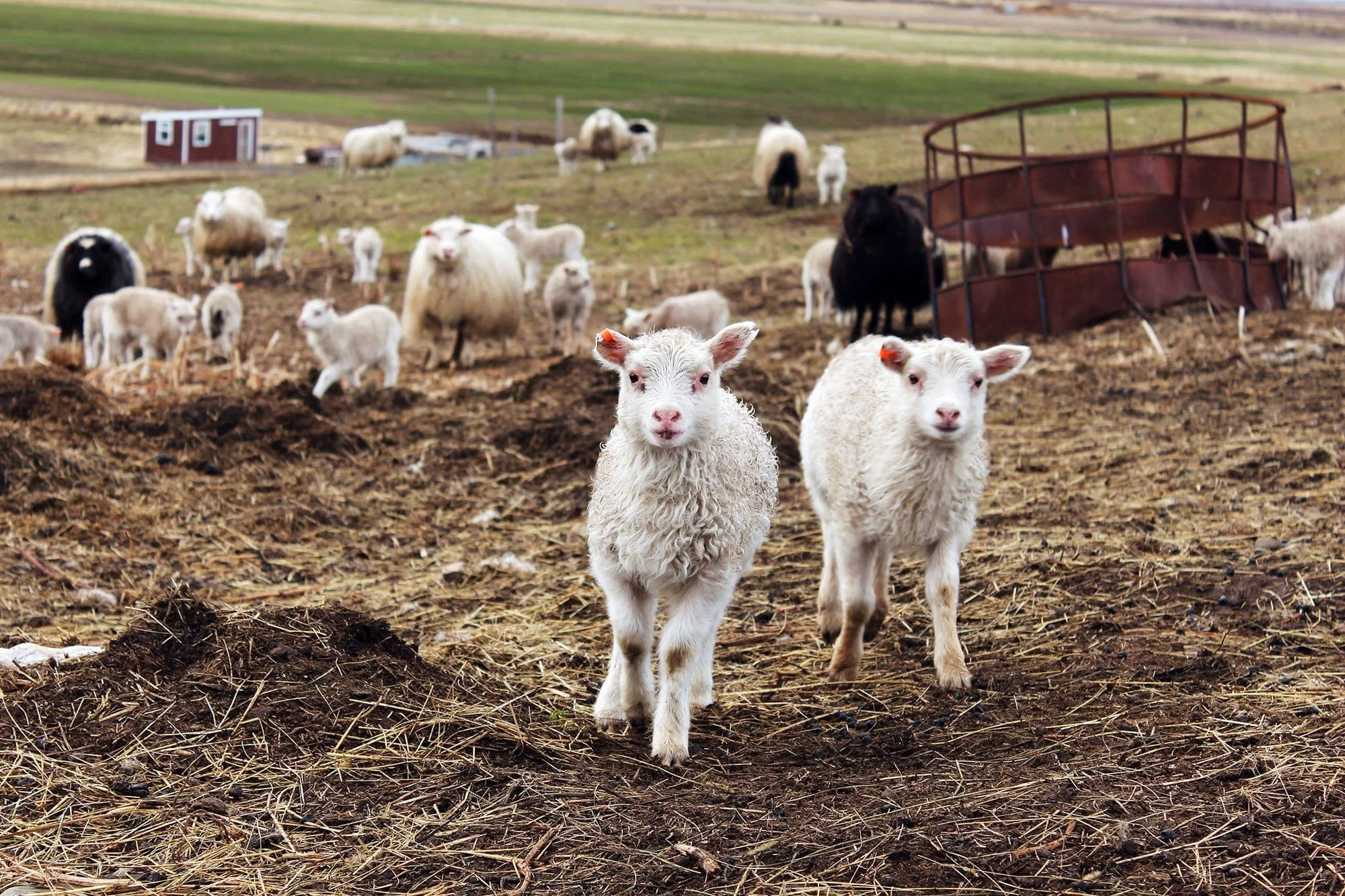
Why Iceland Has More Sheep Than People 🇮🇸?
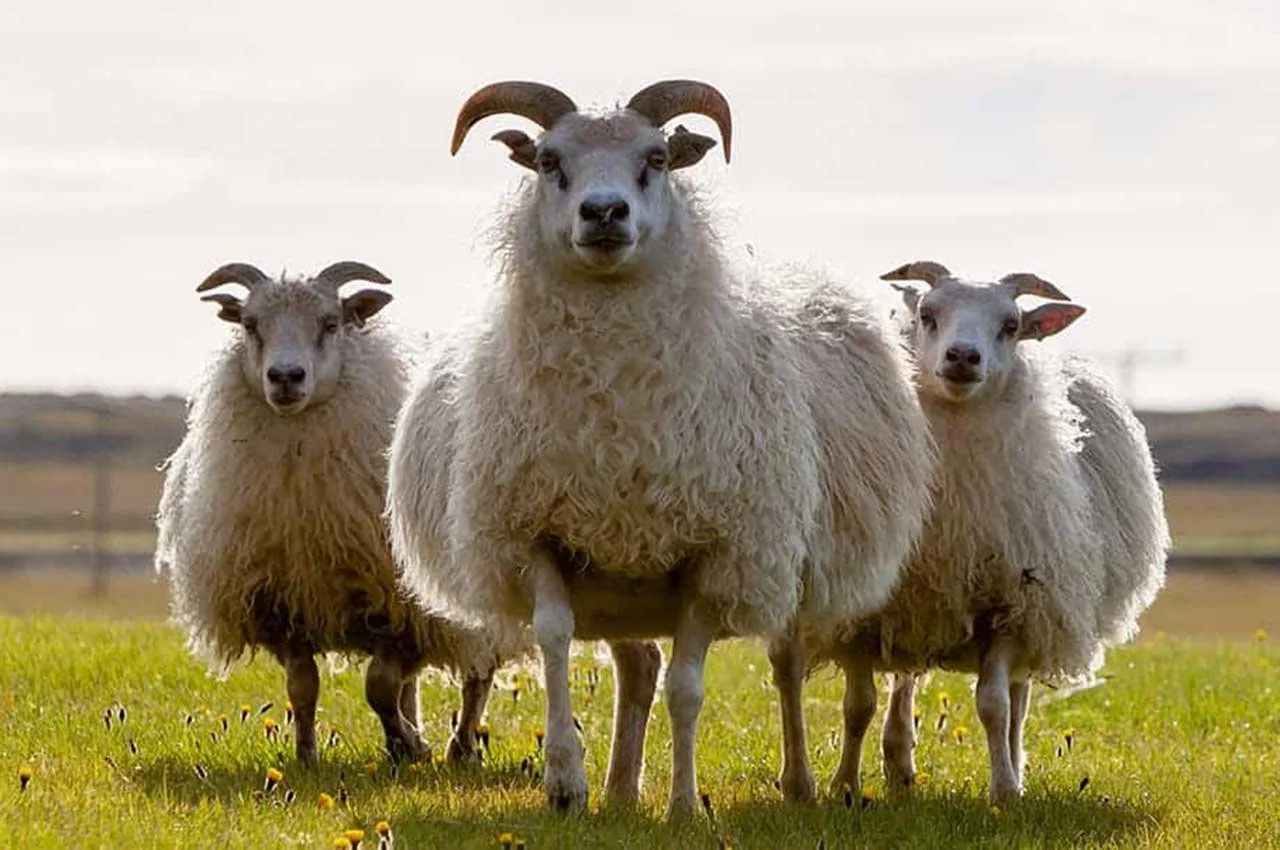
Iceland’s population is just over 390,000 people, mostly living in Reykjavík and nearby towns. Meanwhile, the number of sheep often reaches between 800,000 and 1 million, depending on the season.
When people imagine Iceland, they often think of volcanoes, glaciers, waterfalls, and the Northern Lights. But there’s another charming fact that surprises almost every visitor:
Iceland has more sheep than people.
This simple truth says a lot about Iceland’s culture, history, and landscape—and it’s one of the most fascinating ways to understand the country beyond postcards and travel brochures.
How Many Sheep Are in Iceland?
Iceland’s population is just over 390,000 people, mostly living in Reykjavík and nearby towns. Meanwhile, the number of sheep often reaches between 800,000 and 1 million, depending on the season.
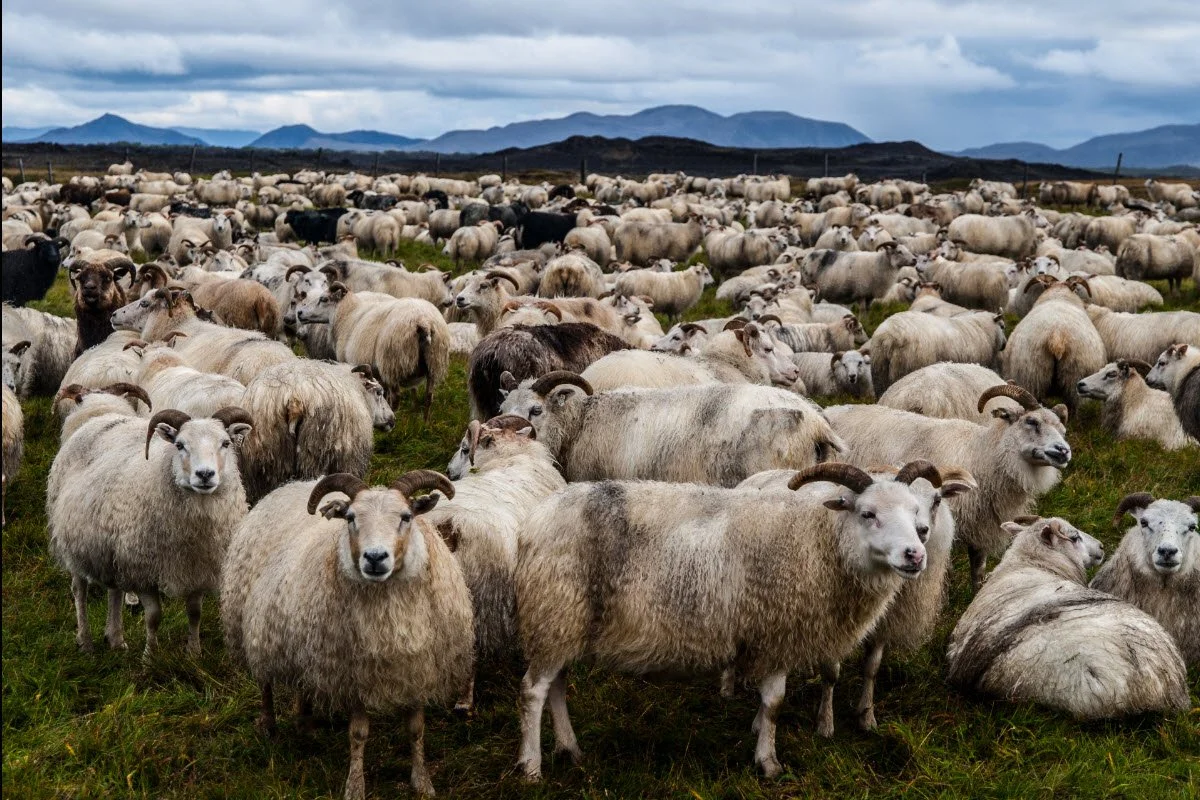
That means there are about two to three sheep for every person in Iceland.
During summer, when sheep are released into the countryside to graze freely, it can feel like they completely outnumber humans—especially when driving through rural roads, fjords, and highlands.
Why Does Iceland Have So Many Sheep?
1. Perfect Landscape for Grazing
Iceland’s wide-open spaces, green valleys, and mountain pastures are ideal for sheep farming. Large areas of the country are sparsely populated by humans but perfectly suited for grazing animals.
Sheep roam freely during the warmer months, feeding on natural grasses, herbs, and mosses—contributing to the unique flavor of Icelandic lamb.
2. Deep Roots in Icelandic History
Sheep have been part of Icelandic life since the Viking settlement in the 9th century. Early settlers relied on sheep for:
Meat
Wool
Milk
Clothing and survival
For centuries, sheep farming was essential to surviving Iceland’s harsh climate. Even today, it remains a key part of the country’s agricultural identity.
3. Icelandic Wool Is World-Famous
Icelandic sheep produce lopi wool, known for being:
Warm
Lightweight
Water-resistant
Perfect for cold weather
Traditional Icelandic sweaters (lopapeysa) are made from this wool and are both a cultural symbol and a practical necessity. This keeps sheep farming economically and culturally important.
Sheep Everywhere: A Unique Icelandic Experience
If you visit Iceland in summer, you’ll quickly notice sheep:
Crossing roads without warning
Standing calmly near waterfalls
Grazing beside lava fields
Wandering through mountain passes
Seeing sheep against dramatic Icelandic landscapes creates some of the most iconic travel photos—and reminds visitors how closely nature and daily life are connected here.
The Annual Sheep Round-Up (Réttir)
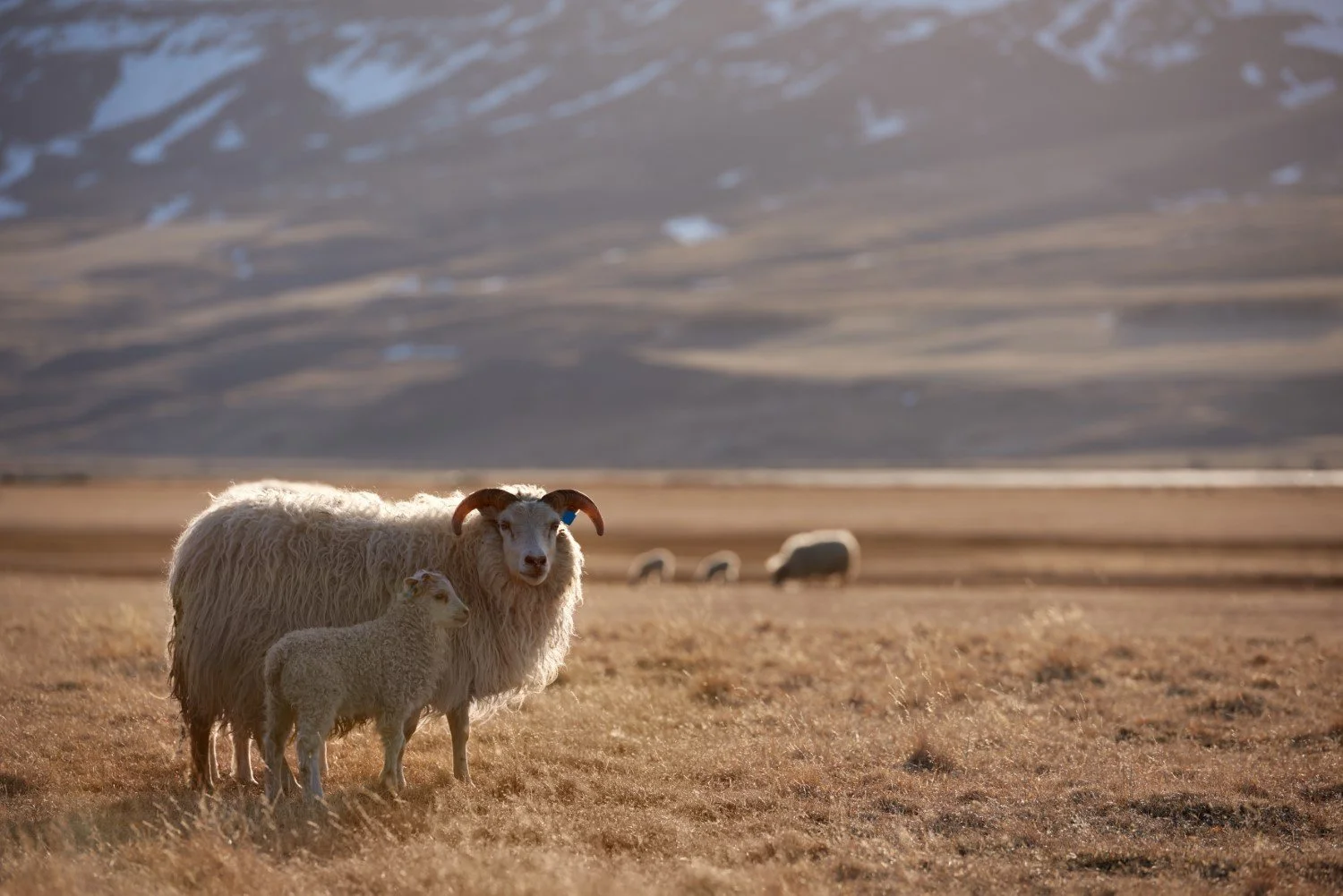
One of Iceland’s most traditional events is Réttir, the annual sheep round-up held in early autumn.
After roaming freely all summer, sheep are gathered from the mountains by farmers on horseback or ATVs and sorted into pens. This event is:
A major cultural tradition
A community celebration
A chance for visitors to experience authentic Icelandic life
Réttir perfectly reflects how important sheep are to Icelandic heritage.
Icelandic Lamb: One of the Country’s Finest Foods
Thanks to the natural grazing environment and strict farming standards, Icelandic lamb is considered among the best in the world.
It’s known for being:
Tender
Clean-tasting
Free from hormones and antibiotics
Naturally raised
Popular Icelandic dishes like lamb soup (kjötsúpa) highlight how deeply sheep are woven into local cuisine.
What Sheep Say About Iceland
The fact that Iceland has more sheep than people tells a bigger story:
Nature dominates daily life
Traditions are strongly preserved
Rural culture still matters
Sustainability is taken seriously
In Iceland, humans adapt to the land—not the other way around.
Final Thoughts: A Country Shaped by Sheep
Sheep are more than farm animals in Iceland—they are a symbol of survival, tradition, and harmony with nature.
So next time you’re driving through Iceland and stop your car to let a sheep cross the road, remember, you’re not just a tourist—you’re a guest in a country where sheep truly rule the land.